Caring for your new hair Color
Great hair doesn’t end when you leave the chair. How you care for your hair at home affects everything—from shine and longevity to how often you need to come back in. This page breaks down simple, realistic ways to protect your hair and keep it looking like you meant it to.
I’ve got care broken down by service type, so just click the type of service you had and you’ll be taken to the section that applies to you.
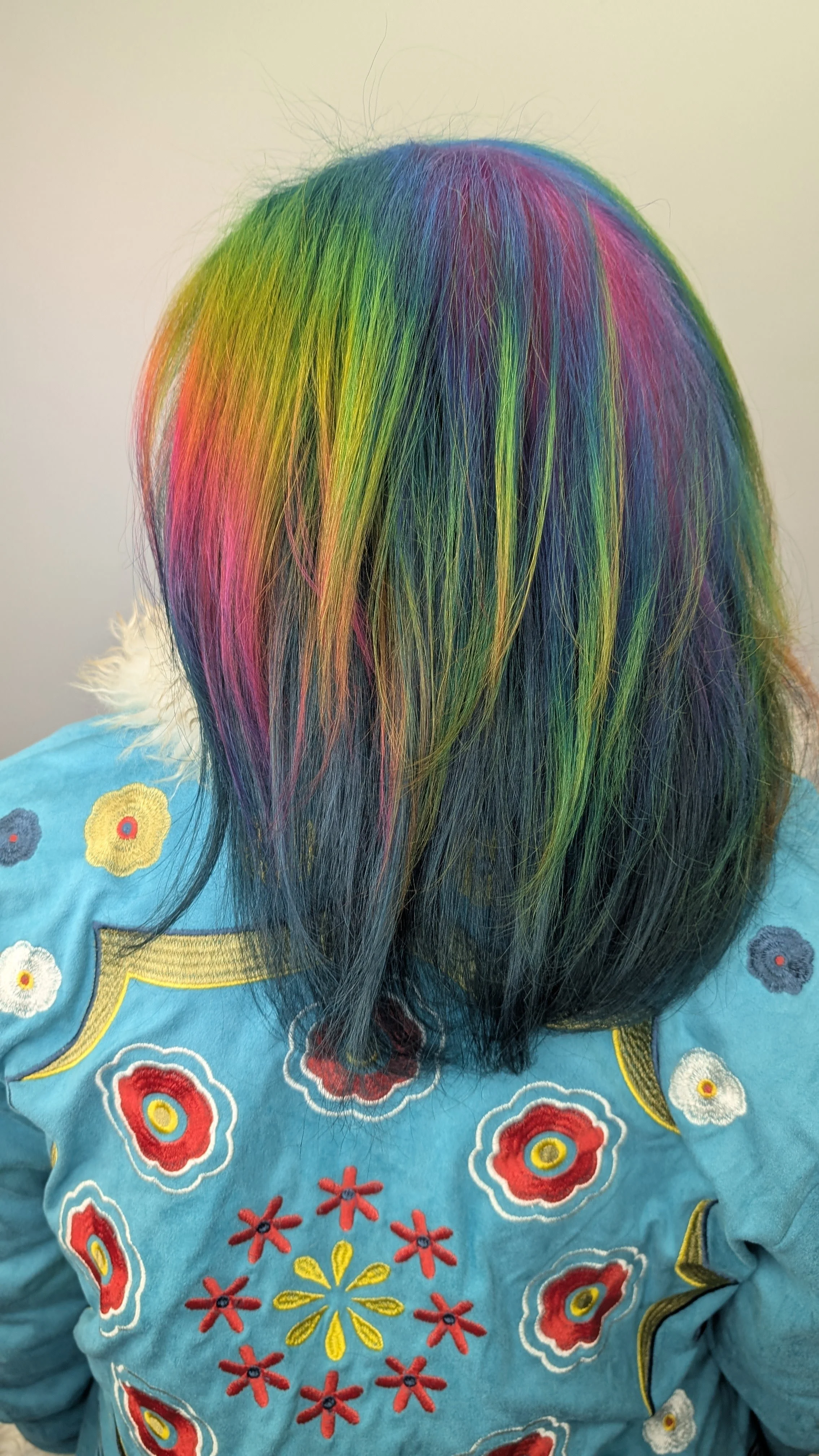
Vivids/Unicorn Hair
Vivid hair is fun, expressive, and unapologetic—but it does require a little extra care. The good news? Taking care of your color doesn’t have to be complicated. It just has to be intentional.
First Things First
Vivid color will fade over time. That’s normal. Bright shades, pastels, and neons all soften with washing, heat, and sun exposure. How long your color lasts depends on the shade, your hair’s history, and how you care for it at home.
My goal is always to give you hair that fades gracefully, not unpredictably.
Washing & Frequency
Less washing = longer-lasting color.
Wait at least 48 hours after your appointment before washing
Wash as infrequently as your lifestyle allows
Always use cool to lukewarm water (hot water fades color fast)
Dry shampoo is your best friend between washes.
Shampoo & Conditioner Matter
Use color-safe, sulfate-free products only.
Cheap shampoo will strip vivid color quickly—no exceptions.
I’ll always recommend products that work best for your specific hair and color. You can find my current favorites on the Dee Recommends page if you need a refresher.
Heat Styling
Heat fades vivid color—period.
Use heat tools sparingly
Keep temperatures as low as possible while still getting the result you want
Air-drying whenever you can will extend the life of your color significantly.
Sun, Pools & Water
Sun exposure, chlorine, and salt water all affect vivid color.
Wear a hat or use UV protection when possible
Avoid chlorine when you can
If you’re swimming, wet your hair first and use a protective conditioner
Hard water can also cause faster fading—filters help if this is an issue for you.
Maintenance Expectations
Vivid color is considered high-maintenance hair. That doesn’t mean constant appointments—but it does mean planning ahead.
Touch-ups are usually needed more often than natural tones
Some shades fade faster than others
Refresh appointments help keep colors bright and intentional
I’m always happy to talk through a maintenance plan that fits your lifestyle and budget.
Keeping that Mane Magical
If you love vivid hair, caring for it is part of the deal—and I’ll never judge you for choosing fun over boring.
If you ever have questions, need a product recommendation, or want to plan your next refresh, just ask. I want your color looking good from day one to fade-out.
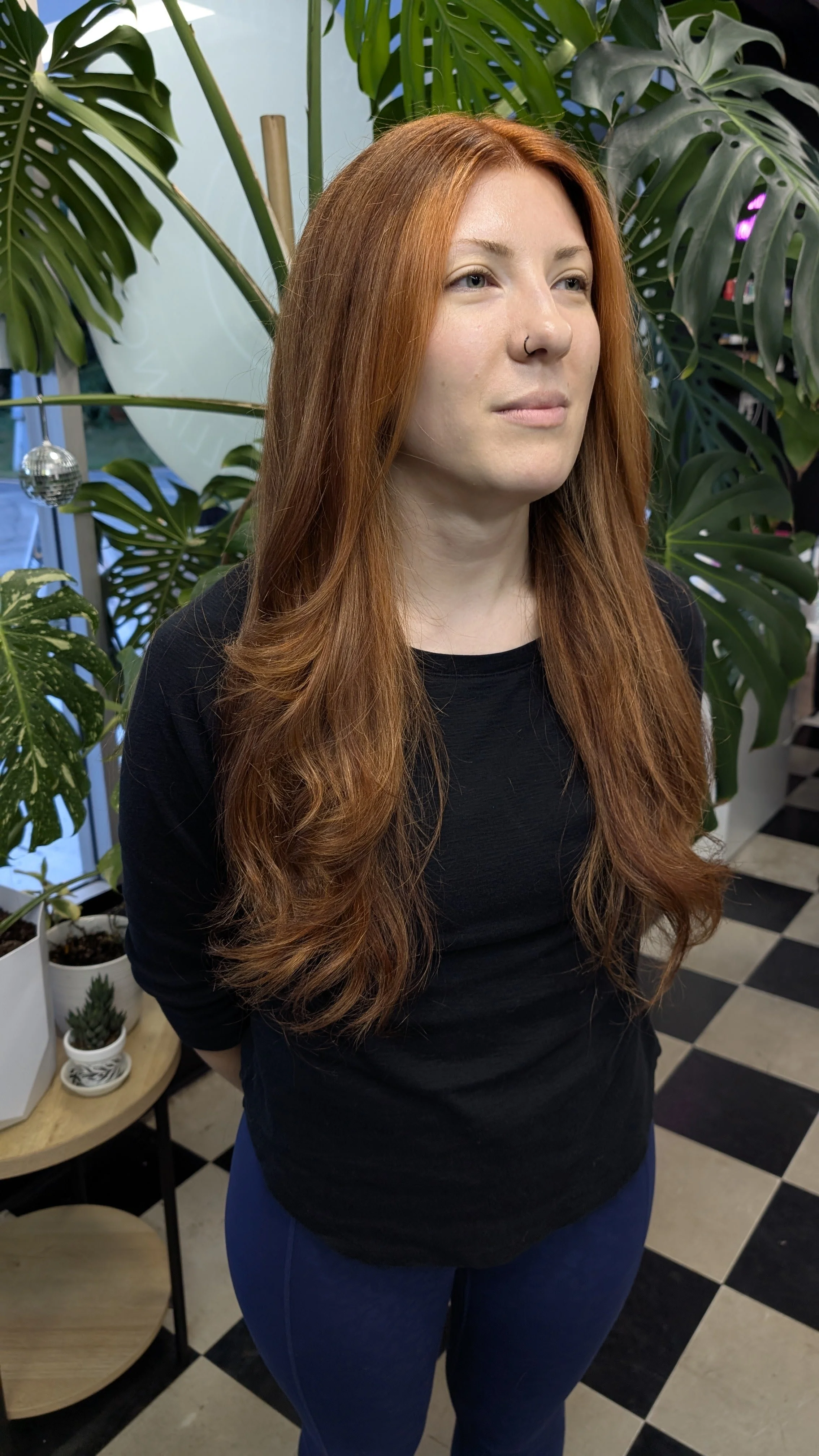
Single Process Color
Single-process color is clean, classic, and timeless—but it still needs the right care to stay rich, shiny, and intentional. How you treat your hair at home plays a big role in how long your color lasts and how polished it looks between appointments.
Washing & Frequency
Washing less helps preserve both tone and shine.
Wait at least 48 hours after your appointment before washing
Wash as infrequently as your lifestyle allows
Use cool to lukewarm water to prevent fading
Dry shampoo between washes helps extend the life of your color and keeps roots fresh.
Shampoo & Conditioner
Always use color-safe, sulfate-free products.
Harsh shampoos strip single-process color quickly, especially darker or richer shades.
Conditioner is essential—hydrated hair holds color better and reflects more shine.
If your color tends to pull warm or dull over time, I may recommend a toning or glossing product for occasional use.
Heat Styling
Heat impacts longevity and shine.
Use a heat protectant every time you style
Keep heat tools at the lowest effective temperature
Limit daily heat when possible
Too much heat can cause fading and dryness, especially at the ends.
Sun, Water & Environmental Factors
Sun exposure, chlorine, and hard water can all affect single-process color.
Protect your hair from prolonged sun exposure when possible
Avoid chlorine when you can
Rinse hair with fresh water before swimming
Hard water can dull color over time—filters or clarifying treatments can help if this is an issue.
Root Touch-Up Frequency
Single-process color requires regular maintenance to keep regrowth seamless.
Most clients schedule root touch-ups every 4–6 weeks, depending on:
How fast your hair grows
Your natural color contrast (this includes greys).
How blended or bold you like your regrowth
Pushing past this window can require more time and product, so staying on schedule keeps appointments smoother and more predictable. Not to mention the Megix 10 minute root touch-up system makes upkeep a cinch.
Coloring your world
Single-process color is meant to look effortless—but caring for it properly keeps it polished, vibrant, and low-stress long-term.
If you ever have questions about products, glosses, or timing your next root touch-up, I’m always happy to help you make a plan that fits your lifestyle.
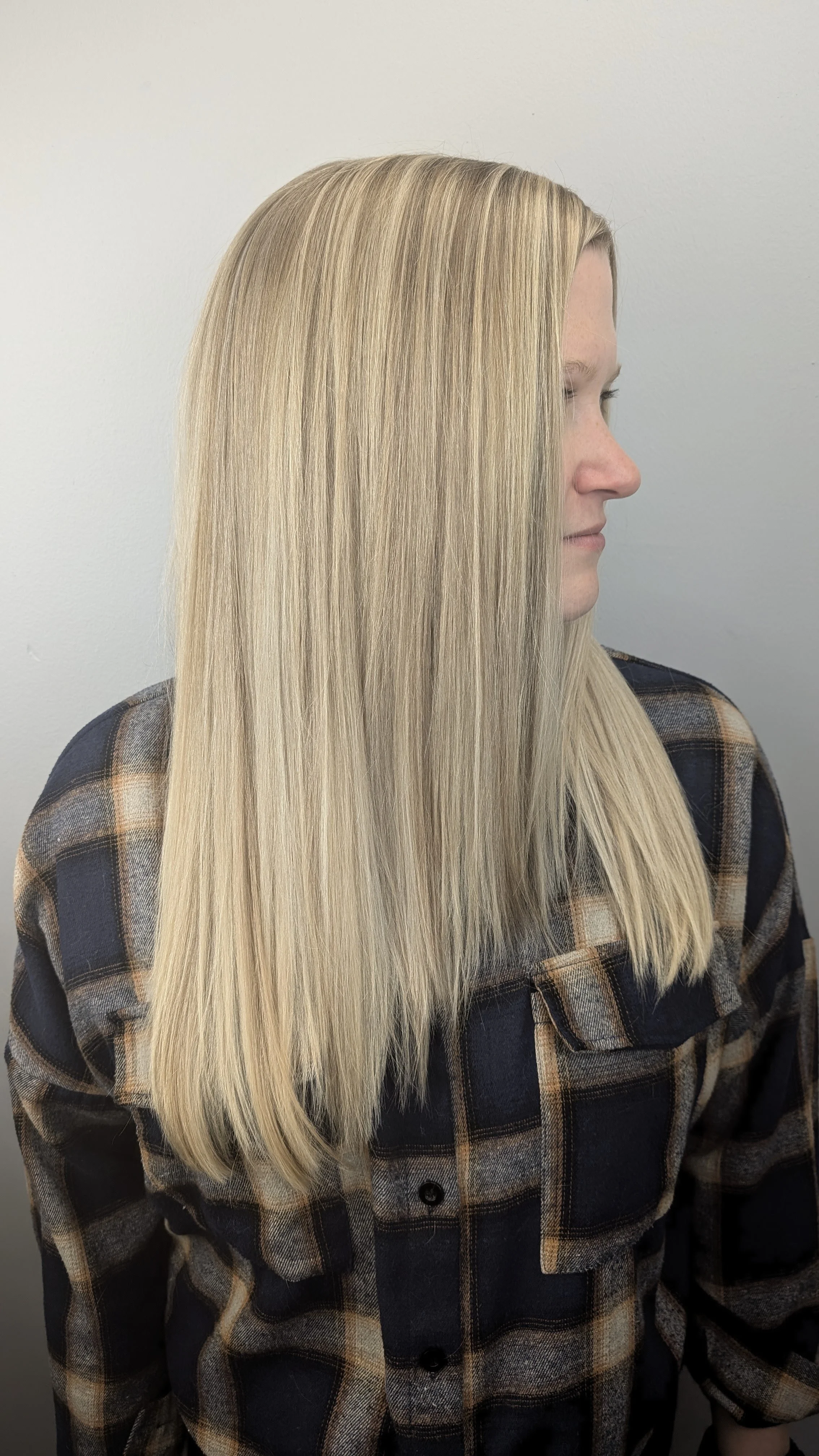
Highlights/Balayage
Balayage and highlights are designed to be lived in—not babied—but they still need the right care to stay bright, blended, and healthy. A little intention at home goes a long way in keeping your color looking fresh instead of brassy, dull, or dry.
Less washing helps preserve brightness and tone.
Wait 48 hours after your appointment before washing
Wash as infrequently as your hair and lifestyle allow
Use lukewarm to cool water whenever possible
Dry shampoo between washes helps extend the life of your color and your blowout.
Shampoo & Conditioner
Use color-safe, sulfate-free products to avoid stripping your highlights.
If your hair tends to pull warm or brassy, a toning or purple shampoo may be recommended—but only when needed. Overusing toning products can dull or muddy lighter pieces, so follow my guidance on frequency.
Conditioner matters just as much as shampoo. Lightened hair needs moisture to stay soft and reflective.
Moisture & Treatments
Highlights and balayage lighten the hair, which means hydration is key.
Use a conditioning mask regularly
Don’t skip leave-in conditioner
Lightweight oils or creams help keep ends smooth and protected
Healthy hair reflects light better—this is how you keep that “expensive” finish.
Heat Styling
Heat affects both tone and condition.
Always use a heat protectant
Keep heat tools at the lowest effective temperature
Air-dry when you can
Too much heat can cause dryness, fading, and warmth to show through faster.
Sun, Water & Environmental Factors
Sun exposure, chlorine, salt water, and hard water all impact lighter hair.
Protect your hair from prolonged sun exposure when possible
Avoid chlorine when you can
If swimming, wet your hair first and use a protective conditioner
If you live with hard water, a filter or occasional clarifying treatment can help keep highlights bright and clean.
Maintenance & Appointments
Balayage and highlights are considered lower maintenance—not no maintenance.
Toners may be needed between lightening appointments
Brightness and tone shift gradually over time (this is normal)
Refresh appointments help maintain blend and dimension
I’ll always help you plan a maintenance schedule that fits your lifestyle and budget—no pressure, no surprises.
That lived in look you love
Balayage and highlights should feel easy, wearable, and natural—but caring for them properly keeps them intentional instead of tired.
If you ever have questions about products, toning, or timing your next appointment, just ask. I’m here to help your hair look good long after you leave the chair.
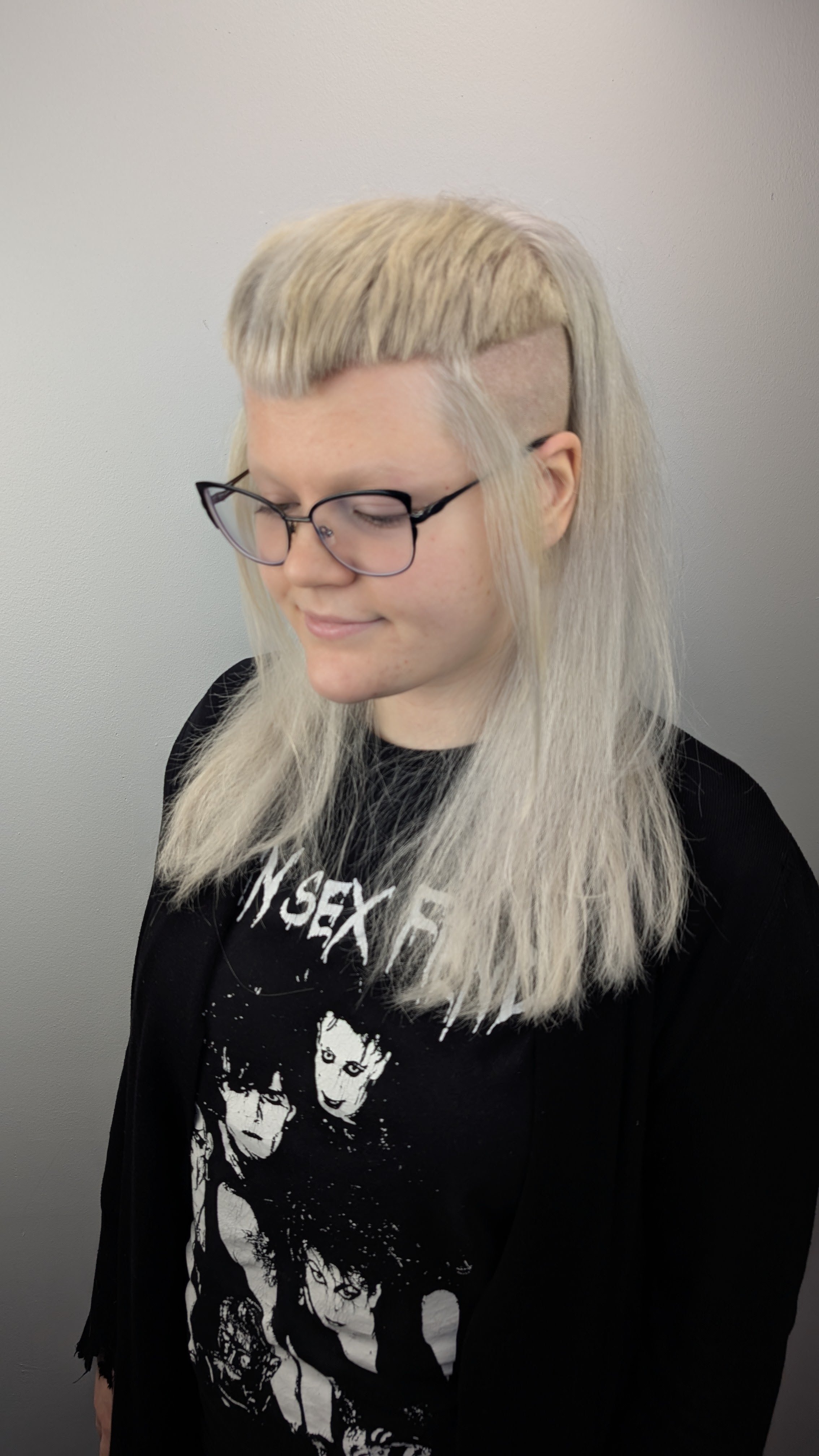
Blondes
Lightened and toned blondes are bright, clean, and intentional—but they require commitment. This is one of the most maintenance-heavy blonde services, and caring for it properly is what keeps your hair looking icy and polished instead of yellow, dry, or fragile.
Washing & Frequency
Less washing = longer-lasting tone.
Wait at least 48 hours after your appointment before washing
Wash as infrequently as possible
Always use cool to lukewarm water
Dry shampoo is essential for extending your blonde between washes.
Shampoo & Conditioner
Use professional, sulfate-free products only. Lightened hair is more fragile, and harsh products will strip toner quickly.
Toning or purple shampoo may be recommended, but only as directed. Overuse can cause dullness, dryness, or uneven tone. Blonde hair needs balance, not constant correction.
Deep conditioning is non-negotiable. Lightened hair needs moisture to stay soft, strong, and reflective.
Treatments & Moisture
Regular treatments help maintain hair integrity.
Use a conditioning mask weekly
Incorporate bond-building or repair treatments if recommended
Always use leave-in conditioner
Healthy hair holds toner better and looks brighter longer.
Heat Styling
Heat has a major impact on tone and condition.
Always use a heat protectant
Keep heat tools at the lowest effective temperature
Limit frequent heat styling when possible
Excess heat can cause warmth to show through faster and lead to breakage.
Sun, Pools & Water
Lightened hair is especially sensitive to environmental factors.
Protect your hair from prolonged sun exposure
Avoid chlorine whenever possible
Wet your hair and use conditioner before swimming
Hard water can cause blondes to look dull or brassy—filters or clarifying treatments can help when needed.
Root Touch-Up Frequency
Lightened & toned blondes require regular root maintenance.
Most clients need touch-ups every 4–6 weeks to keep regrowth clean and seamless.
Waiting longer can:
Turn from a root touch-up into a color-correction. Neither of us wants that.
Limit how light roots can safely be taken
Add unnecessary stress to the hair
Staying on schedule keeps your blonde healthier and more predictable long-term.
Keeping You blonde-Blonde
Lightened and toned blonde isn’t “low effort” hair—but when cared for properly, it’s worth it. Commitment at home and consistent maintenance in the salon are what keep this look intentional, bright, and healthy.
If you ever have questions about toning, treatments, or when to book your next appointment, I’m always happy to help you plan ahead.